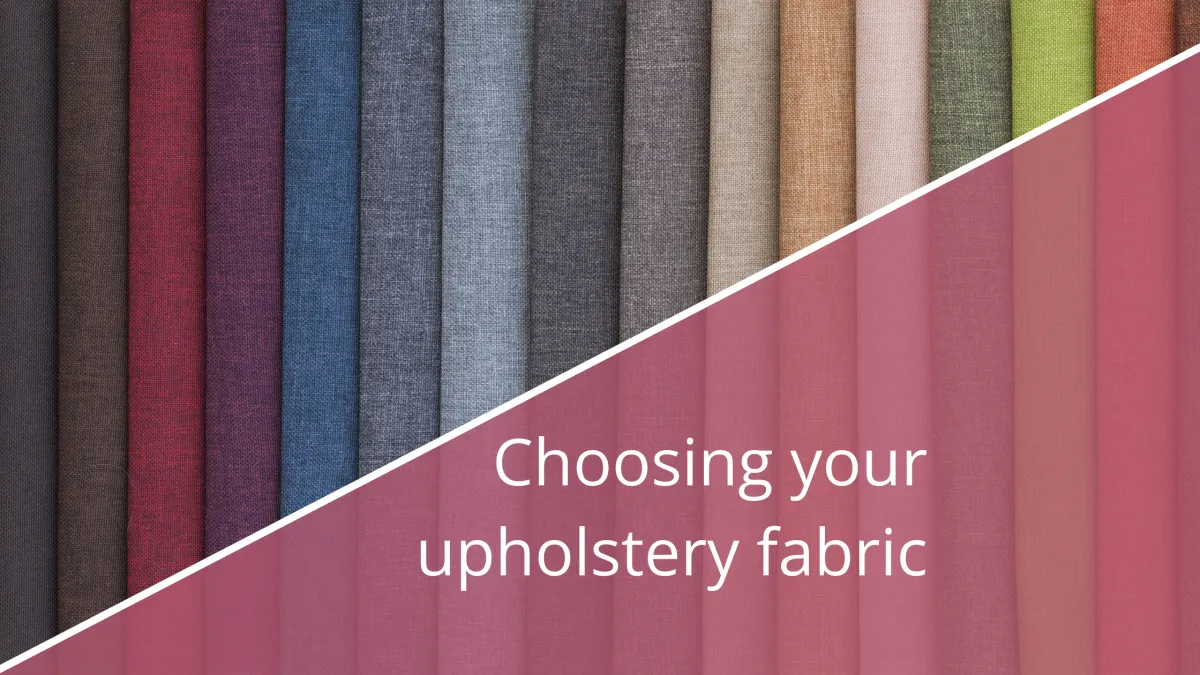
Choosing the perfect fabric for your upholstery project?
Choosing the perfect fabric for your upholstery project?

Ah, fabric selection, the creative and most exciting part but also the difference between a top cover that lasts for many years and one that looks tatty within a year. If you want to do this properly -which I hope you do, for your chair’s sake but also know you do for the time you are already investing in upholstering properly. Before you rush out to buy something, you need to consider durability, aesthetics, and practicality.
1. Durability & rub counts (Martindale Test or Wyzenbeek Test)
Fabric durability is measured in rub counts (how many times a machine can rub it before it shows wear). The numbers should be advertised in any fabric listing and the below will help you choose based on likely intensity of usage:
Light use (occasional chairs, decorative pieces) – 10,000–15,000 rubs
General household use (sofas, dining chairs) – 15,000–25,000 rubs
Heavy-duty (high-traffic chairs, pets & kids) – 25,000+ rubs
Commercial-grade (public spaces, very heavy use) – 40,000+ rubs
Pro tip: Anything over 100,000 rubs is probably overkill unless your guests have sandpaper clothing.
B. Fabric types & their strengths
Fabric
Pros
Cons
Best For
Linen
Natural, breathable, beautiful texture
Wrinkles easily, not the best for heavy use
Occasional chairs, vintage looks
Cotton Blend
Soft, good durability with blends
Can stain, moderate durability
Sofas, casual seating
Velvet (Cotton or Synthetic)
Luxurious, durable, resists claw snags (if dense)
Can attract dust, some types show wear
Sofas, statement chairs
Wool Blend
Warm, resistant to pilling, naturally fire-resistant
Expensive, can feel scratchy
Classic/traditional pieces
Leather (Full-grain or Top-grain)
Extremely durable, easy to clean
Expensive, can scratch
High-use seating, timeless pieces
Mohair
Ultra-durable, resists crushing & fading
Expensive, limited color choices
Antique restorations, high-traffic chairs
Synthetic Blends (e.g., Acrylic, Polyester, Nylon)
Stain-resistant, easy maintenance
Can feel cheap, some pill over time
Family homes, high-use furniture
Tapestry / Jacquard
Traditional, intricate patterns, durable
Heavy, sometimes tricky to clean
Period furniture, formal chairs
Outdoor & Performance Fabrics (e.g., Crypton, Sunbrella)
Wipeable, stain-proof, pet & kid-friendly
Can feel stiff or artificial
Kitchen chairs, pet-friendly homes
2. Best fabrics for high-use chairs (kids, pets & clumsy People)
Crypton Fabric – Stain-resistant, repels moisture, used in hospitals and hotels.
Sunbrella – Originally for outdoor use but great for messy households (also wine-resistant!).
Microfiber / Microsuede – Durable and easy to clean, though can look a bit basic.
Top-Grain Leather – Wipes clean, ages well, but can scratch (unless you love that “lived-in” look).
Mohair Velvet – Pet-proof, incredibly strong, and luxurious (but pricey).
3. What to avoid for high-use seating
These all look beautiful and perhaps suit a palace where chairs are used only very occasionally, so not really suited to every day use but there is a time and a place for everything so here goes:
Silk & Pure Linen – Looks gorgeous but weak. You’ll be crying over the first spill.
Chenille – Soft but tends to snag and wear down fast.
Loose weave fabrics – Claws and rough handling will destroy these quickly.
Pure Cotton (without a performance finish) – Absorbs stains like a sponge.
Concluding tips:
For a classic, antique look: Choose wool, velvet, mohair, or jacquard.
For practical, everyday use: Go for Crypton, microfiber, or a leather blend.
For a balance of tradition & durability: Try a high-rub-count cotton-linen blend with stain resistance.
Ultimately the choice is yours (which is why I love upholstery) and you can be as creative as you like! If you choose the traditional upholstery route with the help of my tutorials (over modern with foam & staples, yuk!), you will find the upholstery underneath and work you put in now will last for decades to come, a bit like Suzy’s chair here I shared recently on my Instagram. So all you need to do is replace the top cover.


